Some of the links in this post are affiliate links. This means if you click on the link and purchase the item, I will receive an affiliate commission at no extra cost to you. All opinions remain my own.
We, as a society, recognize the profound importance of equipping our children with the tools they need to navigate an increasingly complex world. Beyond academic achievements, a robust foundation of life skills is paramount for their holistic development, fostering independence, resilience, and a sense of purpose. This article outlines essential life skills for children, elaborating on their significance and practical applications, much like we would meticulously categorize information in an encyclopedic compendium. We aim to present these skills not as fleeting trends, but as enduring pillars upon which capable and contributing individuals are built.
In an economy increasingly driven by consumerism and digital transactions, financial literacy is no longer a luxury but a fundamental necessity. We empower our children when we teach them to understand the value of money, the principles of saving, and the consequences of careless spending. Think of it as providing them with a compass before they embark on a long journey; without it, they might wander aimlessly.
Budgeting and Spending Habits
We introduce the concept of a budget as a roadmap for their resources. This involves distinguishing between needs and wants, understanding opportunity cost (what they give up when they choose one item over another), and prioritizing expenditures. For younger children, this can begin with managing pocket money, deciding how much to save and how much to spend on small treats. For older children, we encourage them to track their incoming funds (allowances, gifts) and outgoing expenses, fostering a conscious awareness of where their money goes.
Saving and Investing Basics
We teach that saving is not merely abstaining from spending, but rather deferring gratification for future goals. This can range from saving for a desired toy to contributing to a long-term goal like a gaming console or a college fund. We introduce basic concepts of investment, such as the idea of “money working for them,” albeit in simplified terms appropriate for their age. This might involve discussing the benefits of a savings account or explaining how a small initial investment, like planting a seed, can grow over time.
Understanding Consumerism and Advertising
We equip our children to be discerning consumers, capable of analyzing advertising messages with a critical eye. We discuss the persuasive tactics employed by marketers and encourage them to question claims, compare prices, and research products before making impulsive purchases. This acts as a shield against the relentless barrage of commercial influence, allowing them to make informed choices rather than simply succumbing to fleeting desires.
In addition to teaching children essential life skills, it’s important for parents to also take time for themselves, which can ultimately benefit the whole family. For insights on how to make the most of a day dedicated to self-care, you can read the article on Thrifty Mama Life titled “What to Do When You Have a Day All to Yourself.” This resource offers valuable suggestions that can help parents recharge and return to their responsibilities with renewed energy. You can find the article here: What to Do When You Have a Day All to Yourself.
Problem-Solving and Critical Thinking: Navigating the Labyrinth
Life, we know, is not a straight path but a labyrinth of challenges and decisions. The ability to effectively solve problems and think critically is the thread that helps our children navigate these twists and turns, transforming obstacles into opportunities for growth. We see this as providing them with a sturdy toolkit, capable of addressing a wide array of situations.
Identifying and Defining Problems
We emphasize the importance of accurately identifying the root cause of a problem, rather than merely addressing its symptoms. This involves active listening, asking clarifying questions, and observing situations with an analytical mindset. We encourage them to articulate the problem clearly, as a well-defined problem is already halfway to being solved. Just as a doctor meticulously diagnoses an illness, we teach our children to precisely pinpoint the issue at hand.
Generating Solutions and Evaluating Options
We foster an environment where creative thinking is encouraged, allowing children to brainstorm a diverse range of potential solutions without immediate judgment. We then guide them through the process of evaluating these options, considering the pros and cons of each, and anticipating potential consequences. This involves weighing ethical implications, practicality, and the potential impact on others. This skill is akin to a sculptor choosing the right tools and techniques to bring their vision to life.
Decision-Making and Implementation
Once a solution is chosen, we teach the importance of committing to a plan and taking action. We also instill in them the understanding that not every solution will be perfect, and that flexibility and adaptability are crucial. This includes learning from mistakes and adjusting their approach when necessary, much like a seasoned sailor trimming the sails to catch the most favorable wind.
Communication and Interpersonal Skills: Building Bridges of Understanding

Our existence is inherently social, and the ability to connect effectively with others is the bedrock of fulfilling relationships and successful collaborations. We believe that strong communication and interpersonal skills are the mortar that binds individuals together, creating a robust and supportive community.
Active Listening and Empathy
We highlight the distinction between hearing and truly listening. Active listening involves paying full attention, asking clarifying questions, and demonstrating understanding through verbal and nonverbal cues. Coupled with this is empathy – the capacity to understand and share the feelings of another. We encourage children to step into others’ shoes, recognizing that different perspectives enrich their own understanding. This is like learning to read the subtle cues of a symphony, where every instrument contributes to the overall harmony.
Expressing Thoughts and Feelings Clearly
We equip children with the vocabulary and confidence to articulate their thoughts, needs, and emotions respectfully and assertively. This includes using “I” statements to express personal feelings without blaming others, engaging in constructive dialogue, and knowing when to compromise. We teach them that their voice matters, and that it can be used to build connections, not just to make noise. This is akin to a skilled orator who can convey complex ideas with clarity and precision.
Conflict Resolution and Negotiation
Disagreements are an unavoidable part of life. We teach children productive strategies for resolving conflicts, focusing on finding mutually agreeable solutions rather than resorting to aggression or withdrawal. This involves identifying common ground, brainstorming compromises, and understanding the importance of “win-win” outcomes. This skill is like being a diplomat, finding common ground and forging peaceful agreements.
Self-Management and Resilience: Cultivating Inner Strength
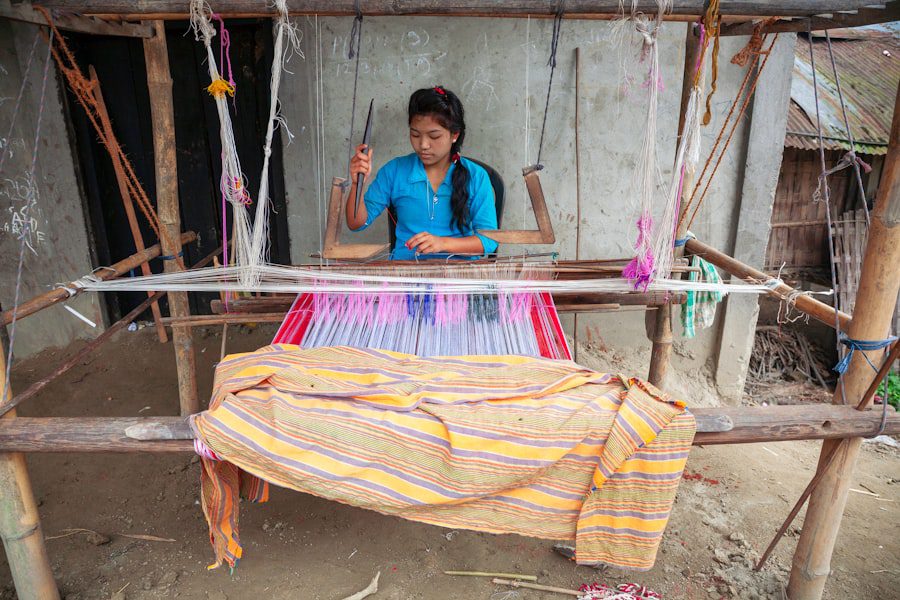
The journey of life is often punctuated by setbacks and disappointments. The ability to manage oneself effectively and bounce back from adversity is a testament to inner strength and a crucial determinant of long-term well-being. We aim to equip our children with an internal compass and a resilient spirit, making them like trees with deep roots, capable of weathering any storm.
Time Management and Organization
We introduce the importance of prioritizing tasks, setting realistic goals, and using tools like schedules or planners to manage their time effectively. This includes breaking down larger tasks into smaller, more manageable steps and learning to allocate time for both learning and play. We teach them that organizing their environment, whether it’s their room or their schoolwork, reduces stress and increases efficiency. This is like a skilled architect meticulously planning every phase of a building project.
Self-Discipline and Goal Setting
We foster the development of self-discipline by encouraging children to delay gratification, persevere through challenges, and hold themselves accountable for their actions. We guide them in setting achievable goals – both short-term and long-term – and developing strategies to work towards them. This involves celebrating small victories and learning from setbacks, understanding that every step forward, no matter how small, contributes to the larger journey. This is like a marathon runner, who through discipline and persistence, reaches the finish line.
Coping with Stress and Adversity
We acknowledge that stress is an inevitable part of life and teach children healthy coping mechanisms. This includes identifying stressors, practicing relaxation techniques (like deep breathing), seeking support from trusted adults, and engaging in activities that promote their well-being. We also instill the belief that setbacks are not failures, but opportunities for learning and growth, much like a phoenix rising from the ashes, stronger and more beautiful.
Teaching children essential life skills is crucial for their development and independence. In addition to basic skills like cooking and budgeting, understanding how to care for plants can also be an invaluable lesson. For instance, if you’re curious about why the plants in your garden keep dying, you might find this article helpful. It offers insights that can enhance your child’s gardening experience and teach them about responsibility and nurturing. You can read more about it here.
Digital Citizenship and Safety: Navigating the Virtual World
| Life Skill | Description | Recommended Age to Learn | Key Benefits |
|---|---|---|---|
| Personal Hygiene | Understanding and practicing cleanliness such as hand washing, brushing teeth, and bathing. | 3-6 years | Prevents illness, promotes self-confidence, and social acceptance. |
| Basic Cooking | Learning to prepare simple meals and understanding nutrition. | 7-12 years | Encourages healthy eating habits and independence. |
| Time Management | Ability to plan and organize daily activities and responsibilities. | 8-12 years | Improves productivity and reduces stress. |
| Money Management | Understanding the value of money, saving, and budgeting. | 8-12 years | Builds financial responsibility and decision-making skills. |
| Communication Skills | Expressing thoughts clearly and listening effectively. | 3-6 years | Enhances relationships and social interaction. |
| Problem Solving | Identifying problems and finding practical solutions. | 6-10 years | Develops critical thinking and resilience. |
| Basic First Aid | Knowing how to respond to minor injuries and emergencies. | 10-14 years | Increases safety awareness and confidence in emergencies. |
| Emotional Regulation | Managing emotions and coping with stress. | 4-8 years | Promotes mental health and positive behavior. |
| Household Chores | Performing basic tasks like cleaning, laundry, and organizing. | 5-10 years | Fosters responsibility and independence. |
| Digital Literacy | Using technology safely and effectively. | 6-12 years | Prepares for modern learning and communication. |
In an increasingly interconnected world, digital literacy extends beyond operating devices to understanding the responsibilities and risks inherent in online interactions. We recognize that our children are digital natives, and it is our responsibility to equip them with the knowledge and judgment to navigate this vast and sometimes treacherous landscape safely and ethically. We view this as providing them with a sturdy ship and a reliable map to venture into the digital ocean.
Online Safety and Privacy
We educate children about the perils of sharing personal information online, the importance of strong passwords, and the dangers of interacting with strangers. We discuss cyberbullying and teach them how to report inappropriate content or behavior. We emphasize the concept of a digital footprint – the permanent record of their online activities – and encourage them to think before they post. This is like teaching them to be mindful of their shadow, as their digital actions leave a lasting trace.
Media Literacy and Critical Evaluation of Information
We empower children to critically evaluate information found online, distinguishing between credible sources and misinformation or propaganda. We encourage them to question headlines, verify facts, and be aware of biases in media coverage. This involves discussing the concept of “fake news” and the importance of cross-referencing information from multiple sources. This skill is like being a detective, sifting through clues to uncover the truth.
Responsible and Ethical Online Behavior
We instill the principles of respect, kindness, and empathy in their online interactions. This includes understanding the impact of their words and actions on others, avoiding trolling or harassment, and recognizing the importance of intellectual property rights. We discuss appropriate screen time and encourage a balanced approach to digital consumption, ensuring it enhances rather than detracts from their overall well-being. This is like teaching them the rules of good conduct in a global town square.
In conclusion, we advocate for a holistic approach to education, one that recognizes the vital role of these essential life skills. By nurturing financial literacy, problem-solving, communication, self-management, and digital citizenship, we are not merely preparing our children for examinations, but for the grand, challenging, and ultimately rewarding adventure that is life itself. We are furnishing them with the internal resources to thrive, to adapt, and to contribute meaningfully to the world they will inherit.