
Some of the links in this post are affiliate links. This means if you click on the link and purchase the item, I will receive an affiliate commission at no extra cost to you. All opinions remain my own.
We, as a collective, endeavor to nurture the next generation, equipping them not just with academic prowess but also with the fundamental capabilities necessary for navigating the complexities of independent living. This article delves into the critical importance of imparting essential life skills to children, examining various facets of this educational imperative and offering practical approaches for their integration into everyday life. Our aim is to provide a comprehensive overview, much like an architectural blueprint for raising capable individuals, guiding them from dependency to self-sufficiency.
Before we can effectively teach, we must first define what it is we are teaching. Life skills encompass a broad spectrum of psychosocial competencies and interpersonal skills that help individuals make informed decisions, solve problems, think critically and creatively, communicate effectively, build healthy relationships, empathize with others, cope with and manage their lives in a healthy and productive manner. They are the scaffolding upon which a well-adjusted and contributing member of society is built.
Differentiating from Academic Skills
It is crucial to distinguish life skills from the traditional academic curricula. While academic skills focus on knowledge acquisition and intellectual development (e.g., mathematics, literature, science), life skills emphasize practical application and personal development. Think of it this way: academics teach a child about the principles of fluid dynamics, while life skills teach them how to fix a leaky faucet. Both are valuable, but they serve different, albeit complementary, purposes.
The Broader Impact
The absence of these skills can manifest in various societal challenges, including increased rates of mental health issues, difficulties in interpersonal relationships, financial instability, and an overall reduced capacity for independent living. Conversely, a robust acquisition of life skills correlates with enhanced well-being, greater resilience, and a higher propensity for societal contribution. We are not merely training individuals; we are investing in the very fabric of our future communities.
Teaching life skills to kids is essential for their development and future success. A related article that provides valuable insights on preparing teens for the transition to adulthood is available at this link: How to Make Sure Your Teen Graduates High School. This article discusses various strategies that parents can implement to support their teenagers in achieving academic success and developing essential life skills.
Cultivating Financial Literacy
In an increasingly complex economic landscape, financial literacy stands as a cornerstone of essential life skills. We must equip our children with the knowledge and tools to manage money responsibly, understand its value, and plan for their financial future. This is not a luxury; it is a necessity.
The Concept of Value and Exchange
Introduce the concept of money as a medium of exchange at an early age. Simple activities, such as using play money for chores or allowing them to make small purchases with their own earned funds, can be highly effective. We are essentially planting the seeds of economic understanding. Explain that money is not an infinite resource, and decisions about its allocation have consequences.
Budgeting and Saving Techniques
As children mature, introduce elementary budgeting principles. This could involve allocating allowance into different jars for “spending,” “saving,” and “donating.” We are teaching them to be stewards of their resources. Discuss the difference between needs and wants. Explain the power of compound interest, even in a simplified manner, demonstrating how small savings can grow over time. We could use the metaphor of a small snowball rolled down a hill, accumulating size with every turn.
Understanding Debt and Credit
Later, it becomes imperative to explain the concepts of debt and credit. Using age-appropriate analogies, elucidate how credit cards function, the implications of borrowing money, and the importance of timely repayment. We are preparing them to navigate a world where credit is ubiquitous, and understanding its mechanisms is paramount to avoiding financial pitfalls. Emphasize that credit is a tool, not a limitless supply of funds.
Fostering Practical Household Management
Independent living necessitates proficiency in managing a household. These are the daily tasks that keep a living space functional and comfortable. We are teaching them to be active participants in maintaining their environment.
Basic Cooking and Nutrition
Start with simple culinary tasks, such as making a sandwich or boiling water for pasta. Gradually introduce more complex recipes, emphasizing safety in the kitchen. Teach them about balanced nutrition, reading food labels, and making healthy dietary choices. The kitchen is a laboratory for both practical skills and scientific understanding. We are not just teaching them to cook; we are teaching them to nourish themselves.
Cleaning and Organization
Involve children in household chores from an early age. Assign age-appropriate tasks like making their beds, tidying their rooms, or helping with laundry. Explain the importance of cleanliness and organization for both hygeine and mental well-being. A structured environment often reflects a structured mind. We are teaching them responsibility and the value of contributing to a shared space.
Basic Home Maintenance
As they grow older, introduce fundamental home maintenance skills. This could include changing a lightbulb, unclogging a drain, or performing minor repairs. These skills empower them to address common household issues without immediate reliance on external help. We are providing them with a toolkit for self-sufficiency, both literal and metaphorical.
Developing Effective Communication and Social Skills
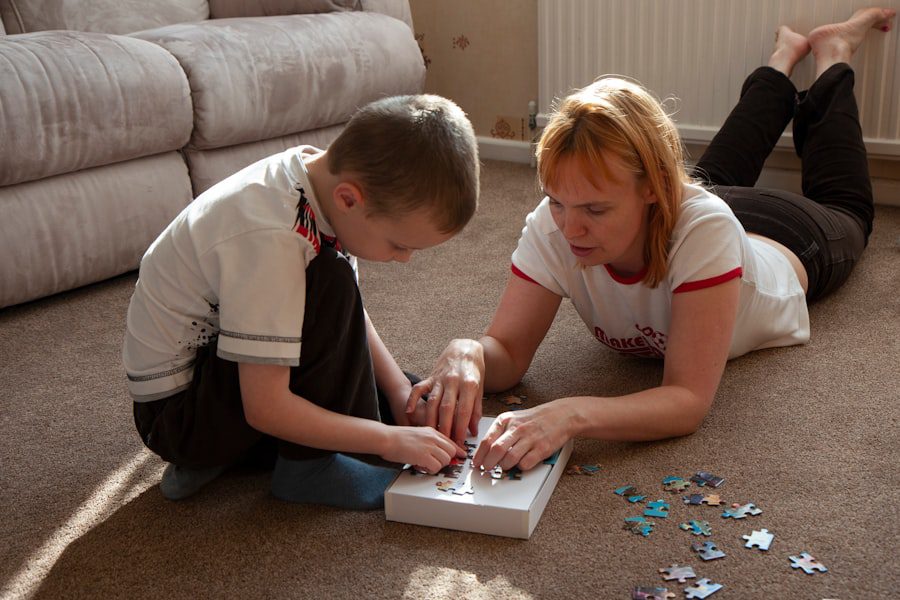
Human beings are inherently social creatures. The ability to communicate effectively and navigate social interactions is fundamental to personal well-being and professional success. We are preparing them to build bridges, not walls.
Active Listening and Empathy
Teach children the importance of active listening – truly hearing and understanding what others are saying, rather than just waiting for their turn to speak. Encourage them to consider perspectives other than their own, fostering empathy. We can illustrate this by using the metaphor of standing in someone else’s shoes, feeling what they feel. This skill is critical for building strong relationships and resolving conflicts peacefully.
Conflict Resolution Strategies
Provide children with tools to resolve disagreements constructively. This includes teaching them to articulate their feelings calmly, seek common ground, and compromise. Role-playing different scenarios can be an effective method for practicing these skills. We are teaching them to be peacemakers, not just problem-solvers. The ability to navigate conflict without escalating it is a hallmark of maturity.
Building Healthy Relationships
Discuss the qualities of healthy friendships and family dynamics, emphasizing trust, respect, and mutual support. Teach them about boundaries and the importance of self-respect. We are guiding them in constructing a robust social network, a safety net of supportive connections. Highlight the difference between healthy and unhealthy relationship dynamics, empowering them to make informed choices.
Teaching children essential life skills is crucial for their development and independence. One valuable resource that complements the topic of life skills for kids is an article that discusses practical ways to save money on household bills. This information can empower children to understand budgeting and financial responsibility from a young age. You can read more about this important topic in the article on saving money on household bills. By integrating these lessons into their daily lives, kids can grow into financially savvy adults.
Cultivating Critical Thinking and Problem-Solving
| Life Skill | Age to Start | Key Benefits | Example Activities | Developmental Focus |
|---|---|---|---|---|
| Basic Hygiene | 2-3 years | Promotes health and self-care habits | Brushing teeth, washing hands | Motor skills, routine building |
| Communication Skills | 2-4 years | Enhances social interaction and expression | Storytelling, role-playing | Language development, confidence |
| Basic Cooking | 5-7 years | Encourages independence and nutrition awareness | Making sandwiches, measuring ingredients | Fine motor skills, following instructions |
| Time Management | 7-9 years | Builds responsibility and planning skills | Using a planner, setting timers | Organizational skills, self-discipline |
| Money Management | 8-10 years | Teaches budgeting and value of money | Saving allowance, simple budgeting | Math skills, decision making |
| Problem Solving | 4-6 years | Improves critical thinking and creativity | Puzzles, strategy games | Cognitive development, reasoning |
| Emotional Regulation | 3-5 years | Supports mental health and social skills | Mindfulness exercises, discussing feelings | Emotional intelligence, self-awareness |
| Basic First Aid | 9-12 years | Prepares for emergencies and safety | Bandaging, calling for help | Responsibility, safety awareness |
In a world saturated with information and complex challenges, the ability to think critically and solve problems creatively is more vital than ever. We are equipping them with intellectual compasses for navigating uncertain terrain.
Encouraging Inquiry and Curiosity
Foster an environment where questions are不仅 welcomed but celebrated. Encourage children to explore, experiment, and question assumptions. Provide opportunities for open-ended play and exploration, allowing them to discover solutions independently. We are nurturing their innate curiosity, transforming it into a powerful learning tool.
Deconstructing Problems
Teach children to break down complex problems into smaller, more manageable components. This analytical approach makes daunting tasks less overwhelming and allows for systematic problem-solving. We are providing them with a magnifying glass to examine challenges in detail. Practice scenarios, like fixing a broken toy or planning a group activity, can be excellent opportunities for this.
Evaluating Information and Decision-Making
In an era of ubiquitous information, teach children to critically evaluate sources, distinguish facts from opinions, and identify potential biases. Guide them through the process of weighing pros and cons before making decisions. We are teaching them to be discerning navigators in a sea of data, empowering them to make informed choices rather than simply accepting what they are told. This skill is particularly pertinent in the digital age, where misinformation can easily proliferate.
Promoting Resilience and Self-Care
Life is replete with challenges and setbacks. The capacity to bounce back from adversity and proactively manage one’s well-being is an indispensable life skill. We are building their internal shock absorbers.
Developing Emotional Regulation
Teach children to identify and articulate their emotions. Provide strategies for managing difficult feelings, such as deep breathing exercises, mindfulness techniques, or constructive outlets for expression. We are giving them a vocabulary for their inner world and tools to navigate its storms. The ability to pause, reflect, and choose a response rather than react impulsively is a cornerstone of emotional intelligence.
Coping with Failure and Setbacks
Emphasize that failure is a natural part of the learning process and an opportunity for growth, not a reason for despair. Encourage a growth mindset, where challenges are viewed as opportunities to develop new skills and build resilience. We are teaching them that setbacks are merely detours, not dead ends. Share stories of individuals who overcame significant obstacles, illustrating the power of persistence.
Practicing Self-Care and Well-being
Educate children about the importance of adequate sleep, healthy eating, physical activity, and stress management techniques. Encourage them to identify activities that bring them joy and relaxation. We are teaching them to be vigilant custodians of their own well-being, recognizing that a healthy mind and body are essential foundations for all other pursuits. This also includes understanding when to seek help for physical or mental health concerns, destigmatizing the act of reaching out.
In conclusion, the endeavor of teaching essential life skills to children is not merely an educational objective; it is a profound investment in their future and the future of our society. By dedicating ourselves to cultivating financial literacy, practical household management, effective communication, critical thinking, and resilience, we are empowering the next generation to not only survive but to thrive. We are equipping them with the compass, maps, and courage to chart their own course, contributing meaningfully to the world around them. This comprehensive approach ensures that our children are not just academically proficient but are also well-rounded, capable, and confident individuals ready to embrace the journey of life with competence and grace.