Some of the links in this post are affiliate links. This means if you click on the link and purchase the item, I will receive an affiliate commission at no extra cost to you. All opinions remain my own.
We, as a collective, endeavor to cultivate within the younger generation the proficiency in navigating and enriching their social landscapes. Social skills, often perceived as innate endowments, are in fact a complex tapestry of learned behaviors, cognitive processes, and emotional intelligences that we, as educators and caregivers, are uniquely positioned to foster and refine. This article aims to elucidate the multifaceted nature of social skill development in children, presenting actionable strategies and theoretical underpinnings to guide our collective efforts.
Before we can effectively build, we must first understand the foundational elements. Social skills encompass a broad spectrum of abilities that enable individuals to interact effectively and appropriately with others. They are the scaffolding upon which meaningful relationships are constructed and maintained. We frequently observe the manifestation of these skills in various forms, from a simple exchange of greetings to the intricate dance of negotiation and compromise.
Components of Proficient Social Interaction
We categorize social skills into several key components, each crucial for holistic development. We recognize that these components do not operate in isolation but rather coalesce to form a comprehensive social repertoire.
Verbal Communication
Our ability to articulate thoughts, feelings, and needs is paramount. This includes not just the content of our speech but also its tone, volume, and clarity. We teach children to express themselves assertively yet respectfully, to participate in conversations by taking turns, and to ask pertinent questions. For example, we guide them from merely stating a desire (“I want that toy!”) to articulating it (“May I please have a turn with that toy when you’re finished?”).
Non-Verbal Communication
Beyond words, our bodies speak volumes. We emphasize the importance of eye contact, body language, facial expressions, and gestures. These non-verbal cues often convey more authentic messages than spoken words. We train children to interpret these cues in others and to project appropriate non-verbal signals themselves, understanding that a furrowed brow might signal confusion or a warm smile, approachability.
Emotional Regulation
The ability to manage and express emotions constructively is a cornerstone of social competence. We help children identify their feelings – joy, sadness, anger, frustration – and develop healthy coping mechanisms. This involves teaching them to articulate feelings rather than acting them out impulsively, and to understand that all emotions are valid, but not all expressions are appropriate. For instance, instead of lashing out when angry, we encourage them to say, “I feel frustrated when…”
Empathy and Perspective-Taking
To truly connect with others, we must be able to step into their shoes. We cultivate empathy by exposing children to diverse perspectives, encouraging them to consider how others might feel in different situations. This is not merely about sympathy, but a deeper cognitive understanding of another’s emotional state and viewpoint. We might ask, “How do you think your friend felt when you took their toy without asking?”
Conflict Resolution
Disagreements are an inevitable part of human interaction. We equip children with the tools to resolve conflicts peacefully and constructively. This includes teaching them to listen to all sides, to identify points of agreement and disagreement, and to negotiate mutually acceptable solutions. We shift their focus from “winning” to “finding a fair outcome.”
Developing social skills in children is essential for their overall growth and success in life. A related article that provides valuable insights on managing resources effectively, which can indirectly support social interactions, is available at this link: How to Make the Most of Your Grocery Budget. By teaching children about budgeting and resource management, parents can create opportunities for social engagement, such as sharing meals or participating in community events, thereby enhancing their social skills.
The Architecture of Learning: Why Social Skills Matter
The development of robust social skills is not merely an optional amenity; it is a fundamental pillar supporting a child’s overall well-being and future success. We know that children with strong social skills are better equipped to navigate the complexities of life, much like a well-built ship is better prepared for turbulent seas.
Academic Benefits
In the academic arena, social skills are indelible. Children who can collaborate, communicate effectively, and resolve peer conflicts are more likely to thrive in group projects, participate actively in discussions, and seek help when needed. We observe that they form stronger connections with teachers and peers, creating a more supportive learning environment.
Emotional Well-being
Social connection is a crucial determinant of emotional health. Children with strong social skills are better able to form friendships, reducing feelings of loneliness and isolation. They possess a greater sense of belonging and self-worth, which acts as a protective shield against mental health challenges. This is not to say they are immune, but their resilience is notably enhanced.
Future Success
As children mature into adults, their social competence significantly impacts their professional and personal lives. We recognize that employers increasingly value “soft skills” such as teamwork, communication, and leadership. Individuals with developed social skills are more likely to build strong professional networks, navigate workplace dynamics, and achieve their career aspirations. In their personal lives, these skills are the bedrock of enduring relationships and fulfilling social engagements.
Laying the Foundation: Early Intervention and Modeling
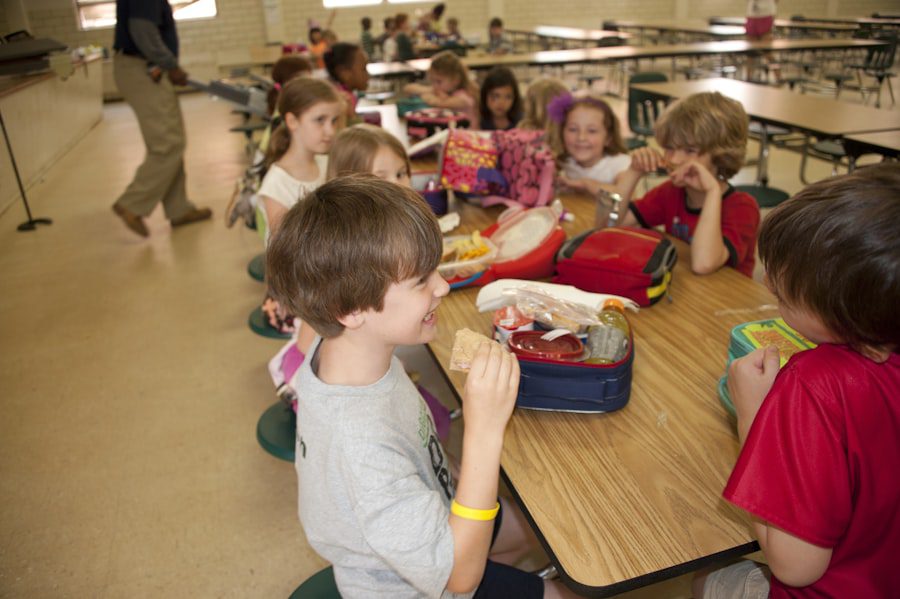
The construction of social skills begins early, and we, as adults, serve as the primary architects. Our actions, our reactions, and our consistent reinforcement lay the crucial groundwork. We understand that children are constant observers, mirroring the behaviors they witness in their immediate environment.
The Power of Example
We recognize that the most potent teaching tool we possess is our own behavior. When we demonstrate active listening, express empathy, manage our emotions constructively, and resolve conflicts peacefully, we provide children with a living blueprint for social competence. We believe that “doing” is often more impactful than “telling.” For instance, when we apologize sincerely after a mistake, we model humility and responsibility.
Creating Structured Opportunities
We actively create environments that necessitate social interaction and collaboration. This might involve setting up cooperative play scenarios, engaging in board games that require turn-taking and negotiation, or assigning group tasks that foster teamwork. These structured opportunities serve as laboratories where children can experiment with and refine their social repertoire under our gentle guidance.
Facilitating Peer Interactions
We organize playdates and group activities, understanding that interaction with peers is vital for social skill development. We observe these interactions, stepping in to guide and mediate when necessary, but always allowing children the space to practice and problem-solve independently.
Role-Playing and Practice
We utilize role-playing as a safe and effective method for children to practice social scenarios. This allows them to rehearse responses to challenging situations, such as asking for a turn, inviting someone to play, or dealing with teasing. We frame these as fun games, reducing the pressure and increasing engagement.
Strengthening the Structure: Direct Instruction and Feedback
While modeling and structured opportunities are invaluable, direct instruction and targeted feedback serve as essential reinforcements, akin to adding rebar to concrete to enhance its strength. We believe in explicit teaching of social concepts, much like we teach academic subjects.
Teaching Specific Skills
We break down complex social skills into manageable steps. For example, teaching “how to introduce yourself” might involve steps like: make eye contact, offer a smile, state your name, and ask the other person’s name. We then provide opportunities for practice and constructive feedback.
Using Social Stories
We employ social stories to help children understand social situations, cues, and appropriate responses. These short, personalized narratives describe a specific social event, outlining expected behaviors and helping children predict outcomes. This is particularly effective for children who may struggle with social understanding.
Emphasizing Active Listening
We explicitly teach active listening skills, which involve not just hearing words but truly understanding the speaker’s message, both verbal and non-verbal. This includes teaching children to maintain eye contact, nod occasionally, and ask clarifying questions. We might use the metaphor of a “listening ear” versus a “talking mouth,” emphasizing the importance of both in a balanced conversation.
Providing Constructive Feedback
Feedback is a vital tool for growth. We offer specific, descriptive feedback on social interactions, focusing on behaviors rather than personal attributes. Instead of saying, “You’re bad at sharing,” we might say, “When you offered to share your toy, your friend looked very happy.” We also encourage self-reflection, asking children, “What do you think went well in that interaction? What could you do differently next time?”
Developing social skills in children is crucial for their emotional and interpersonal growth. Engaging in playdates and group activities can significantly enhance their ability to communicate and collaborate with peers. For parents looking for additional resources, a related article discusses the benefits of teething necklaces and bracelets, which can help soothe infants while also providing a unique way for parents to bond with their children. You can read more about it in this insightful piece on teething accessories here.
Maintaining the Edifice: Long-Term Strategies and Support
| Social Skill | Description | Age Range | Typical Development Milestone | Example Activity |
|---|---|---|---|---|
| Sharing | Ability to share toys and materials with peers | 2-4 years | Begins to share with guidance | Playing with blocks and taking turns |
| Taking Turns | Waiting for one’s turn in games or conversations | 3-5 years | Understands and practices turn-taking | Board games with family or friends |
| Empathy | Recognizing and responding to others’ feelings | 4-7 years | Shows concern for others | Discussing emotions in storybooks |
| Listening Skills | Paying attention and responding appropriately | 2-6 years | Follows simple instructions | Listening to stories and answering questions |
| Cooperation | Working together to achieve a goal | 3-6 years | Participates in group activities | Building a puzzle with peers |
| Expressing Feelings | Communicating emotions verbally or non-verbally | 2-5 years | Uses words to express feelings | Role-playing different emotions |
| Making Friends | Initiating and maintaining friendships | 4-8 years | Engages in reciprocal play | Inviting peers to play |
The construction of strong social skills is not a one-time project; it is an ongoing process that requires continuous reinforcement and adaptation. We understand that children will encounter new social challenges as they grow, and our role is to equip them with the resilience and adaptability to navigate these evolving landscapes.
Encouraging Independent Problem-Solving
As children mature, we gradually shift from direct mediation to encouraging independent problem-solving. We guide them in brainstorming solutions to social dilemmas, empowering them to take ownership of their interactions. Our aim is to foster self-reliance, much like teaching a child to ride a bike – we provide initial support, but eventually, we let go.
Coping with Social Setbacks
We prepare children for the inevitable social setbacks and disappointments. Not every interaction will be positive, and rejection is a part of life. We teach them coping mechanisms for dealing with difficult emotions, emphasizing resilience and the importance of learning from challenging experiences. We remind them that a temporary setback does not define their social worth.
Fostering a Culture of Kindness and Inclusivity
Beyond individual skills, we strive to cultivate an environment that values kindness, respect, and inclusivity. We teach children the importance of standing up for others, embracing diversity, and understanding that everyone deserves to feel valued and accepted. This societal foundation provides a fertile ground for individual social skills to flourish. We are building not just individual social competency, but a more compassionate collective.
In conclusion, the endeavor of building strong social skills in children is a profound and ongoing commitment. We, as a collective, hold the blueprint and the tools to construct a generation of individuals who can interact with grace, empathy, and effectiveness. By understanding the components, recognizing the importance, laying strong foundations through modeling and opportunities, strengthening with direct instruction and feedback, and maintaining the edifice with long-term support, we are investing in a future where social connection and well-being are not merely aspirations but lived realities for our children. Our shared dedication to this architectural project shapes not just individual lives, but the very fabric of our communities.