Some of the links in this post are affiliate links. This means if you click on the link and purchase the item, I will receive an affiliate commission at no extra cost to you. All opinions remain my own.
We are the architects of the future, and our children are the building blocks. As parents, educators, and the custodians of the next generation, we carry a profound and multifaceted responsibility: to equip them with the essential life skills that will allow them to navigate the complexities of the world, not just survive, but thrive. This isn’t about spoon-feeding them answers; it’s about nurturing the critical thinking, resilience, and capabilities that will serve as their personal compass and toolkit throughout their lives. It is a vital responsibility, one that shapes not only individual destinies but also the fabric of our society.
Our primary role in teaching children essential life skills is to lay a robust foundation for their independence. Independence is not merely the absence of dependence; it is the presence of the capacity to manage one’s own life, to make sound decisions, and to contribute meaningfully to the world. This is a long-term project, an ongoing process of scaffolding that gradually allows them to stand on their own two feet.
Mastering Daily Living: The Building Blocks of Self-Care
Before we can expect our children to conquer the world, they must first be able to manage their immediate environment and their own well-being. This starts with the seemingly mundane tasks that form the bedrock of daily living.
Personal Hygiene: More Than Just Cleanliness
Teaching children about personal hygiene is akin to teaching them to respect their own physical temples. It encompasses understanding the importance of regular handwashing to prevent the spread of germs – a crucial lesson, especially in our interconnected world. We must show them how to brush their teeth effectively, not just to ward off cavities but as a routine that promotes long-term health. Demonstrating proper bathing techniques, understanding the use of deodorant, and explaining the necessity of clean clothing are all integral components. These are not merely habits but practices that foster self-respect and contribute to their social acceptance.
Nutritional Literacy: Fueling the Body and Mind
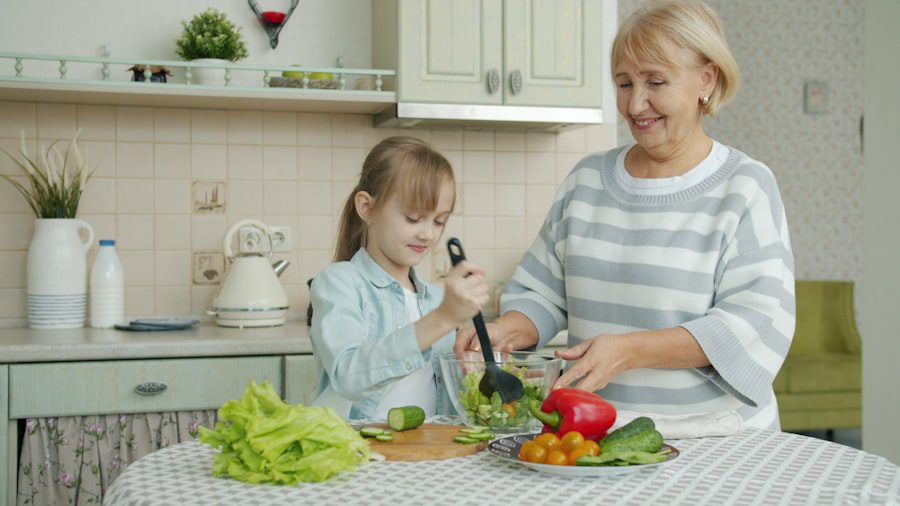
Understanding what constitutes healthy food and how to prepare simple meals is a cornerstone of self-sufficiency. We need to guide them in recognizing the difference between nourishing foods and those that offer little nutritional value. This involves engaging them in grocery shopping, explaining food labels, and involving them in basic meal preparation. Cooking together, even simple tasks like washing vegetables or stirring ingredients, builds confidence and demystifies the process of feeding oneself. This knowledge acts as a shield against unhealthy eating habits that can plague individuals later in life.
Household Responsibilities: Contributing to the Collective
A functioning household is a miniature ecosystem, and children need to understand their role in maintaining it. Assigning age-appropriate chores instills a sense of responsibility and teaches them the value of contributing to a shared living space. This could involve tidying their rooms, helping with laundry, setting the table, or assisting with vacuuming. These tasks, when consistently expected and acknowledged, are not burdensome obligations but opportunities to learn about teamwork and the satisfaction of a job well done.
Financial Literacy: Navigating the Economic Landscape
In today’s world, a basic understanding of financial principles is no longer a luxury but a necessity. Without this knowledge, individuals are susceptible to debt, poor financial planning, and economic instability. We must equip our children with the tools to navigate the economic landscape responsibly.
Understanding Money: From Coin to Budget
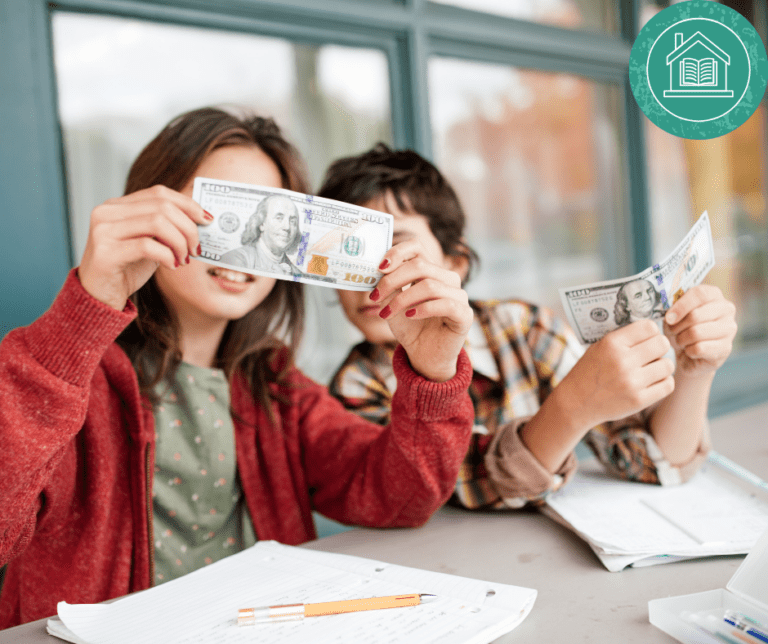
Introducing the concept of money at an early age, perhaps through allowances or small earnings from chores, is the first step. We need to explain how money is earned, saved, and spent. This involves teaching them the value of different denominations and the practicalities of making purchases. As they grow, we can introduce the concept of budgeting, helping them to allocate their funds for immediate wants and future needs. This teaches them the crucial skill of delayed gratification.
The Power of Saving: Investing in Future Goals
The ability to save is a fundamental financial skill that empowers individuals to achieve their goals, both big and small. We must instill in children the habit of saving, demonstrating that by setting aside a portion of their money, they can acquire larger items or fund future endeavors. This could be saving for a desired toy, a bicycle, or even a future educational expense. Visual aids like savings jars or simple tracking charts can make this concept more tangible.
The Dangers of Debt: Making Informed Choices
Understanding the concept of debt, and its potential pitfalls, is vital. While we don’t want to instill fear, we must educate them about borrowing money and the consequences of not repaying it. This can be introduced through discussions about why credit cards exist and the interest that accrues. As they get older, explaining loans for larger purchases like cars or houses can further solidify this understanding, emphasizing responsible borrowing and the importance of financial planning.
Teaching life skills to children is essential for their development and future independence. By equipping them with practical abilities, we prepare them to navigate everyday challenges confidently. A related article that discusses creating a functional and organized living space, which is an important life skill, can be found at How to Prevent Your Home from Looking Like It Belongs to a Hoarder. This resource emphasizes the significance of organization and cleanliness, which are vital skills for children to learn as they grow.
Cultivating Resilience: The Inner Strength to Withstand Adversity
Life is not a smooth, unblemished road; it is replete with bumps, detours, and unforeseen obstacles. Teaching children about resilience is about arming them with the inner strength to bounce back from challenges, to learn from setbacks, and to emerge stronger on the other side. This is the psychological scaffolding that supports their emotional well-being.
Emotional Intelligence: Understanding and Managing Feelings
Emotional intelligence is the cornerstone of resilience. It involves recognizing and understanding one’s own emotions, as well as those of others, and using this awareness to guide behavior.
Identifying and Expressing Emotions: A Healthy Outlet
Children need to be taught to identify and label their emotions. This includes the full spectrum, from joy and excitement to sadness, anger, and frustration. We must create a safe environment where they feel comfortable expressing these feelings without judgment. Encouraging them to articulate what they are feeling, using words rather than solely through action, is crucial. This provides an outlet for their emotions and prevents them from bottling up, which can lead to unhealthy coping mechanisms.
Developing Coping Mechanisms: Strategies for Stress Management
When faced with difficult emotions or stressful situations, children need to have a repertoire of healthy coping mechanisms. This could include deep breathing exercises, engaging in physical activity, listening to music, spending time in nature, or talking to a trusted adult. We must model these strategies ourselves and guide them in finding what works best for them. This is like giving them a toolbox of strategies to navigate emotional storms.
Problem-Solving Skills: Turning Obstacles into Opportunities
The ability to effectively solve problems is a critical life skill that empowers individuals to overcome challenges and achieve their goals. We must foster an environment where children see problems not as insurmountable barriers but as puzzles to be solved.
Critical Thinking: Analyzing and Evaluating Information
Critical thinking is the ability to analyze information objectively and make a reasoned judgment. We can encourage this by asking open-ended questions that prompt them to think deeply. Instead of providing direct answers, we can guide them through a process of inquiry. For example, when they face a dilemma, we can ask, “What do you think might happen if you do that?” or “What are some other ways you could solve this?” This encourages them to consider different perspectives and potential outcomes.
Decision-Making: Weighing Options and Consequences
Learning to make decisions is a gradual process. We can start by giving them choices in small matters, gradually increasing the complexity as they mature. This involves teaching them to weigh the pros and cons of each option and to consider the potential consequences of their choices. Reinforcing good decisions and providing constructive feedback on less successful ones helps them refine their decision-making abilities.
Adaptability and Flexibility: Embracing Change
The world is in a constant state of flux, and the ability to adapt and remain flexible is paramount to navigating its unpredictability. We must cultivate this trait in our children from an early age.
Embracing New Experiences: Stepping Outside the Comfort Zone
Encouraging children to try new things, whether it’s a new sport, a different cuisine, or a novel activity, helps them develop a sense of adventure and a willingness to step outside their comfort zones. These experiences broaden their horizons and build confidence in their ability to handle the unfamiliar.
Learning from Mistakes: A Stepping Stone to Growth
Mistakes are not failures; they are invaluable learning opportunities. We must foster an environment where children feel safe to make mistakes and understand that these are stepping stones on the path to growth. Instead of focusing on the error, we should help them analyze what went wrong and how they can approach the situation differently next time. This mindset shift turns potential setbacks into valuable lessons.
Fostering Effective Communication: The Art of Connection and Understanding
Communication is the lifeblood of human interaction. The ability to express oneself clearly, listen actively, and understand others is fundamental to building strong relationships, succeeding in academic and professional pursuits, and contributing to a harmonious society. Our role is to provide them with the tools to master this essential art.
Verbal Communication: Speaking and Listening with Intent
The spoken word carries immense power. We must guide our children in using this power responsibly and effectively.
Articulating Thoughts and Feelings: Clarity and Confidence
Teaching children to articulate their thoughts and feelings clearly and confidently is essential. This involves encouraging them to use descriptive language, to speak at an appropriate volume, and to maintain eye contact. We can support this by engaging in regular conversations, asking them about their day, and actively listening to their responses. Practicing public speaking through storytelling or brief presentations can also build confidence.
Active Listening: Hearing Beyond the Words
Effective communication is a two-way street. Active listening involves paying full attention to the speaker, understanding their message, and responding thoughtfully. We can model this by putting away distractions when they are speaking, nodding in agreement, and asking clarifying questions. Encouraging them to summarize what they have heard helps them to confirm their understanding and demonstrates to the speaker that they are being heard. This skill is a powerful antidote to misunderstandings and conflict.
Non-Verbal Communication: The Unspoken Language
Much of what we communicate is conveyed through non-verbal cues. Teaching children to understand and utilize these signals is crucial for effective interaction.
Understanding Body Language: Reading the Subtle Signals
Body language, including facial expressions, posture, and gestures, conveys a wealth of information. We can help children become more attuned to these signals by discussing what different expressions or postures might mean. Observing interactions in books, movies, or real-life situations and discussing the non-verbal cues involved can be a valuable learning tool.
Using Appropriate Non-Verbal Cues: Projecting Confidence and Empathy
Just as they need to read non-verbal cues, children also need to learn to use them effectively. This includes maintaining appropriate eye contact, using open and welcoming postures, and employing gestures that enhance their message. Teaching them to regulate their own non-verbal communication can help them to project confidence, empathy, and sincerity in various social contexts.
Conflict Resolution: Navigating Disagreements Constructively
Disagreements are an inevitable part of life. Teaching children how to navigate them constructively is a vital aspect of communication.
Expressing Needs and Boundaries: Assertiveness Without Aggression
Children need to learn how to express their needs and set healthy boundaries without resorting to aggression or passive-aggression. This involves teaching them to use “I” statements, such as “I feel frustrated when…” rather than accusatory “You” statements. This empowers them to voice their concerns respectfully.
Seeking Compromise and Understanding: Finding Common Ground
Conflict resolution often involves finding a compromise. We can guide children through this process by encouraging them to listen to the other person’s perspective, to identify areas of common ground, and to brainstorm solutions that meet everyone’s needs as much as possible. This teaches them the value of collaboration and finding mutually beneficial outcomes.
Developing Critical Thinking and Problem-Solving: The Tools for Navigating Complexity

In an era flooded with information, the ability to think critically and solve problems effectively is not just beneficial; it is an essential survival skill. We are responsible for equipping our children with the mental scaffolding to dissect information, analyze situations, and devise innovative solutions.
Information Literacy: Separating Fact from Fiction
The digital age has democratized information, but it has also created fertile ground for misinformation. Our children must be able to discern credible sources from unreliable ones.
Evaluating Sources: The Detective’s Mindset
We must foster a “detective’s mindset” in our children when they encounter information. This involves teaching them to question the source of information: Who created this? What is their agenda? Is this information supported by evidence? Encourage them to cross-reference information from multiple sources to ensure accuracy. This is like teaching them to look behind the curtain of every claim.
Identifying Bias: Recognizing the Tinted Lens
Every piece of information is, to some extent, filtered through the lens of its creator’s perspective, which can introduce bias. We need to help children recognize and understand different forms of bias, whether it’s political, commercial, or personal. By identifying bias, they can approach information with a more critical and discerning eye, understanding that what they are reading or hearing might not be entirely objective.
Analytical Skills: Deconstructing Complex Issues
The ability to break down complex issues into smaller, more manageable parts is fundamental to problem-solving.
Identifying Patterns and Connections: Weaving the Threads of Knowledge
Encouraging children to look for patterns and connections in information is crucial. Whether they are studying history, science, or literature, identifying recurring themes or causal relationships helps them to build a deeper understanding. This involves asking them to compare and contrast different pieces of information and to draw conclusions based on the relationships they observe.
Logical Reasoning: The Chain of Cause and Effect
Logical reasoning is the ability to draw valid conclusions from a set of premises. We can foster this by presenting them with simple logical puzzles or by discussing cause-and-effect relationships in everyday situations. Asking “why” questions and encouraging them to explain their reasoning can strengthen their logical thinking abilities. This is like building a sturdy bridge of understanding, one logical step at a time.
Creative Problem-Solving: Thinking Outside the Conventional Box
While analytical skills are essential, creative problem-solving allows for innovative and unconventional solutions.
Brainstorming and Ideation: Unleashing the Imagination
Creating an environment that encourages brainstorming and the free flow of ideas is vital. We can introduce activities that require them to think creatively, whether it’s through art, building, or imaginative play. Emphasizing that all ideas are welcome, even seemingly outlandish ones, can unlock their imaginative potential.
Prototyping and Experimentation: Testing and Refining Solutions
Once ideas are generated, children need to learn the process of testing and refining them. This could involve building a simple prototype of an invention, acting out a proposed solution to a social conflict, or conducting a small experiment. The process of trial and error, of learning from what works and what doesn’t, is where true innovation blossoms.
Teaching life skills to children is essential for their development and future independence. By equipping them with practical abilities, such as problem-solving, communication, and financial literacy, we prepare them to navigate the complexities of adulthood. A related article that offers valuable insights on managing transitions for kids is available at Top Tips for Moving with Kids, which emphasizes the importance of helping children adapt to new environments and situations. This resource highlights how teaching life skills can ease such transitions and foster resilience in young learners.
Cultivating Social Skills: The Art of Belonging and Contributing
| Life Skill | Percentage of Children Benefiting (%) | Impact on Child Development | Long-term Benefits |
|---|---|---|---|
| Communication Skills | 85 | Improves social interaction and academic performance | Better career opportunities and relationships |
| Problem-Solving | 78 | Enhances critical thinking and decision-making | Increased adaptability and resilience |
| Emotional Regulation | 72 | Reduces behavioral issues and improves mental health | Greater emotional intelligence and well-being |
| Financial Literacy | 65 | Teaches money management and responsibility | Better financial independence and planning |
| Time Management | 70 | Increases productivity and reduces stress | Improved work-life balance and goal achievement |
| Health and Hygiene | 90 | Promotes physical well-being and disease prevention | Longer, healthier life span |
Humans are inherently social creatures. The ability to interact effectively with others, build meaningful relationships, and contribute positively to a community is fundamental to our well-being and the health of society. Our responsibility is to nurture these vital social capabilities.
Teamwork and Collaboration: The Strength of Unity
In an increasingly interconnected world, the ability to work effectively with others is paramount. We must instill in our children the understanding that collective effort often yields greater results than individual endeavors.
Sharing and Cooperation: The Foundation of Group Effort
Teaching children the principles of sharing and cooperation from an early age is crucial. This can start with simple games where taking turns and working together are essential for success. Encouraging them to help siblings or peers, and celebrating instances of successful collaboration, reinforces the value of these actions. It’s like teaching them that a single thread is easily broken, but many threads woven together form a strong rope.
Understanding Group Dynamics: Navigating the Social Landscape
Understanding how groups function, including different roles, communication patterns, and potential conflicts, is a valuable social skill. We can facilitate this by discussing group projects at school or family activities, helping them to identify the strengths and roles of different individuals within the group. This helps them to navigate social dynamics more effectively.
Empathy and Compassion: Understanding and Caring for Others
Empathy, the ability to understand and share the feelings of another, and compassion, the desire to alleviate the suffering of others, are the cornerstones of a caring and just society.
Perspective-Taking: Walking in Another’s Shoes
Encouraging children to imagine themselves in another person’s situation is a powerful way to cultivate empathy. This can be done through storytelling, role-playing, or simply by discussing hypothetical scenarios. Asking questions like, “How do you think they might be feeling?” or “What would you do if you were them?” helps them to develop this crucial skill.
Acts of Kindness: Demonstrating Care Through Action
Empathy often translates into tangible acts of kindness. We must encourage and celebrate acts of kindness, no matter how small. This could involve helping a neighbor, volunteering for a cause, or simply offering a comforting word to someone in need. These actions demonstrate the practical application of compassion and reinforce its importance.
Respect for Diversity: Embracing Differences
Our world is a vibrant tapestry woven with diverse cultures, beliefs, and backgrounds. Teaching children to respect and appreciate this diversity is essential for fostering an inclusive and harmonious society.
Understanding Cultural Differences: Broadening Horizons
Introducing children to different cultures through books, music, food, and interactions with people from diverse backgrounds can broaden their horizons and foster understanding. Explaining that different traditions and beliefs are valid and valuable, even if they differ from their own, is crucial. This helps them to see the richness that diversity brings.
Challenging Prejudice and Discrimination: Standing Up for What is Right
We have a responsibility to equip children with the tools to recognize and challenge prejudice and discrimination. This involves open discussions about fairness, equality, and the harmful impact of bias. Empowering them to speak out against injustice, in an age-appropriate manner, is a vital lesson in creating a more just world.
In conclusion, teaching children essential life skills is not a passing phase or a supplementary curriculum item; it is a continuous, integrated responsibility that permeates every aspect of their upbringing and education. As we weave these vital skills into the fabric of their lives, we are not just preparing them for future success; we are empowering them to become resilient, compassionate, and capable individuals who can contribute meaningfully to the world. The investment we make today in their skill development will yield a harvest of well-adjusted, independent, and contributing citizens for generations to come. This is our vital responsibility, and it is one we must embrace with unwavering commitment.